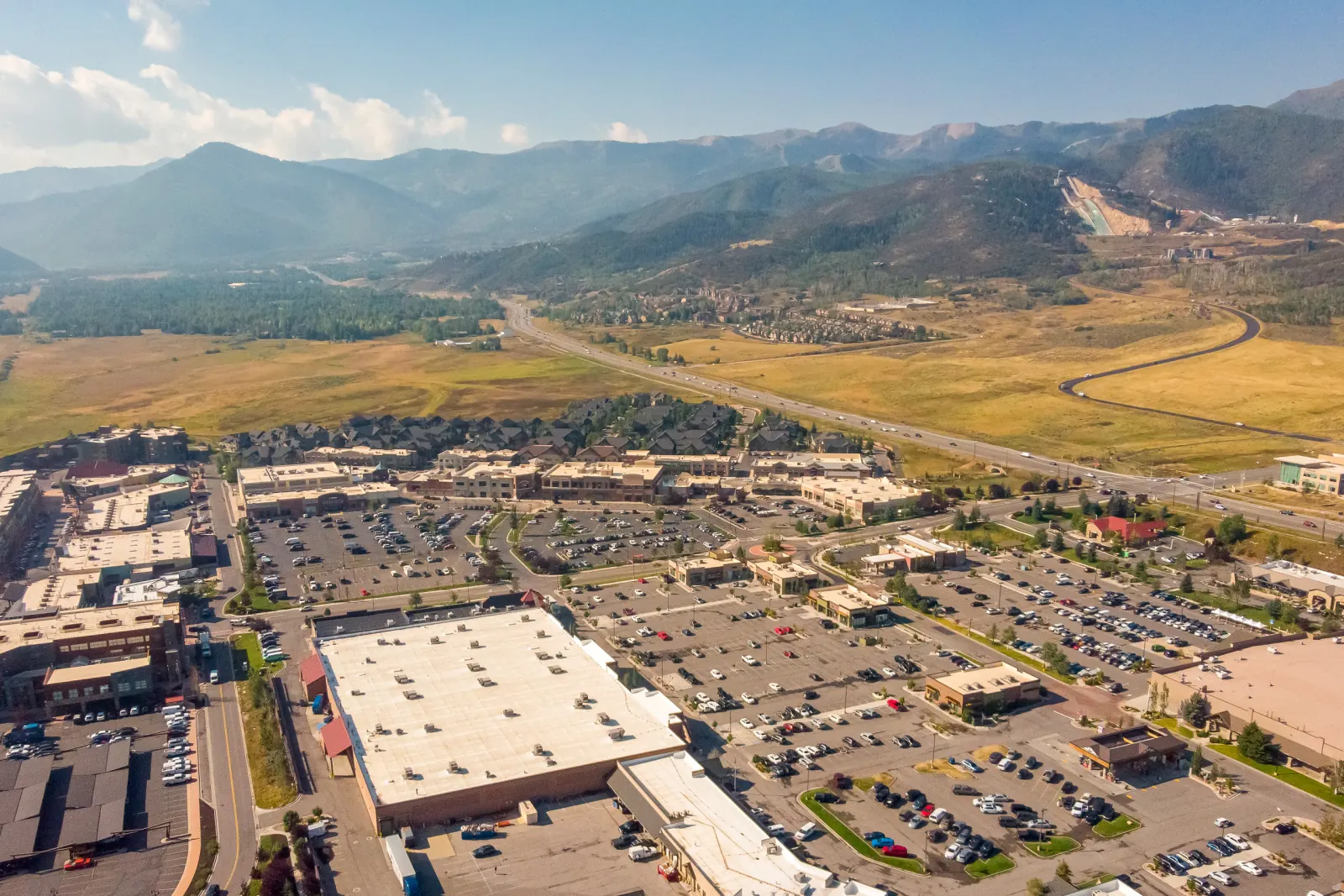
Deer Valley is a ski-only resort area within Park City known for its base villages at Snow Park and Silver Lake and its Empire Pass and Deer Crest neighborhoods higher on the mountain. Investment property here skews toward high-value condo-hotel interests and luxury single-family rentals, which means exchange values run large and debt-replacement math carries more weight than in a typical commercial file.
Base-Village and Ski-In Product
The commercial and quasi-commercial stock at Deer Valley is concentrated in condo-hotel units tied to the resort's lodging brands and a smaller set of luxury single-family homes operated as short-term rentals. Snow Park and Silver Lake carry most of the retail and food-and-beverage space, almost all of it inside a hotel or resort-association structure rather than as standalone leased retail. An owner selling a unit here is typically exchanging out of a rental-program interest, and the scope of that sale-side review should confirm the current management agreement, HOA reserve position, and any pending assessment tied to the resort's ongoing base-area expansion near Mayflower and Jordanelle.
Scope of the Sale-Side Documentation Package
A Deer Valley exchange file carries more debt-replacement complexity than a typical small commercial sale, so the documentation package should be assembled with that in mind before the 45-day clock starts.
- Current rental-program or management agreement
- HOA reserve study and pending assessment disclosure
- Payoff statement and existing debt schedule
- Lender preflight for replacement financing at a comparable value
- Title report confirming ski easements and resort-access rights
Because per-unit values run high, even a single relinquished property can require a multi-candidate identification list to reach full debt and value replacement, so each item above should be confirmed early rather than assembled after the sale closes.
Debt Replacement and Boot Exposure
Full tax deferral on a Deer Valley exchange generally requires that the replacement property carry equal or greater value and equal or greater debt than the relinquished property, so an owner who reduces leverage on the new purchase should expect boot on the difference. That calculation matters more here than in most Wasatch Back submarkets simply because of how much value sits in a single condo-hotel interest or luxury home, and it should be run by the investor's tax advisor before any identification candidate is finalized. Boot can also arise from resort-association debt or capital-assessment obligations attached to the relinquished unit that don't carry over cleanly into the replacement structure, so those figures should be itemized separately rather than folded into the general purchase-price comparison.
Coordinating the 45-Day and 180-Day Windows
The 45-day identification window and 180-day exchange period both start on the closing date of the relinquished Deer Valley property, and given the scale of financing typically involved, lender preflight should begin as soon as the sale is under contract rather than waiting for identification. A replacement lender will want to underwrite the new asset's income, association documents, and debt structure well before the 180-day deadline, and starting that process late is the most common reason a large exchange in this submarket runs short on time. Because the Deer Valley East expansion near Mayflower and Jordanelle continues to add new base-area lodging and retail product, an owner searching for a replacement candidate in the same general area should confirm whether a given building is fully entitled and complete before treating it as a like-for-like alternative to the relinquished unit.
Final Review With the Advisor Team
Before the identification notice is signed, the qualified intermediary, the investor's tax advisor, and the replacement lender should confirm that the candidate property satisfies like-kind scope, that boot has been calculated against both value and debt, and that closing timing is realistic given the underwriting complexity typical of Deer Valley transactions. Investors should not treat a high-value Deer Valley exchange as routine; the debt-replacement math and HOA diligence here carry more weight than in a smaller commercial file, and confirming each figure with a tax advisor before filing keeps the exchange on solid footing.
Common 1031 Exchange Questions
Does a Deer Valley condo-hotel interest carry the same 45-day and 180-day deadlines as a commercial building?
Yes, both deadlines run from the closing date of the relinquished property regardless of asset type or value, though the underwriting on a high-value replacement purchase can take longer to complete inside that window.
What happens if I buy a lower-value replacement property than the one I sold?
The difference in value, and any reduction in debt that isn't offset by new cash contributed, is generally treated as boot and becomes taxable. That math should be confirmed by a tax advisor before the identification list is finalized.
How does the HOA reserve position affect my exchange proceeds?
A pending capital assessment reduces the net proceeds available for reinvestment, so the HOA's reserve study and any assessment notice should be reviewed before the sale closes, not after.
Can I identify a lower-cost property elsewhere and bank the difference?
Banking excess proceeds outside the exchange generally creates boot on that amount. An investor who wants to keep some cash should discuss the tax consequences with their advisor before structuring the sale that way.
Is a DST a common replacement choice for Deer Valley sellers?
It can be, particularly for owners exiting a large, management-intensive resort interest who want passive exposure instead, though the DST's debt structure needs to match the replacement requirement and should be confirmed with the investor's tax advisor, particularly on the value and leverage side given how large a single Deer Valley exchange can be.