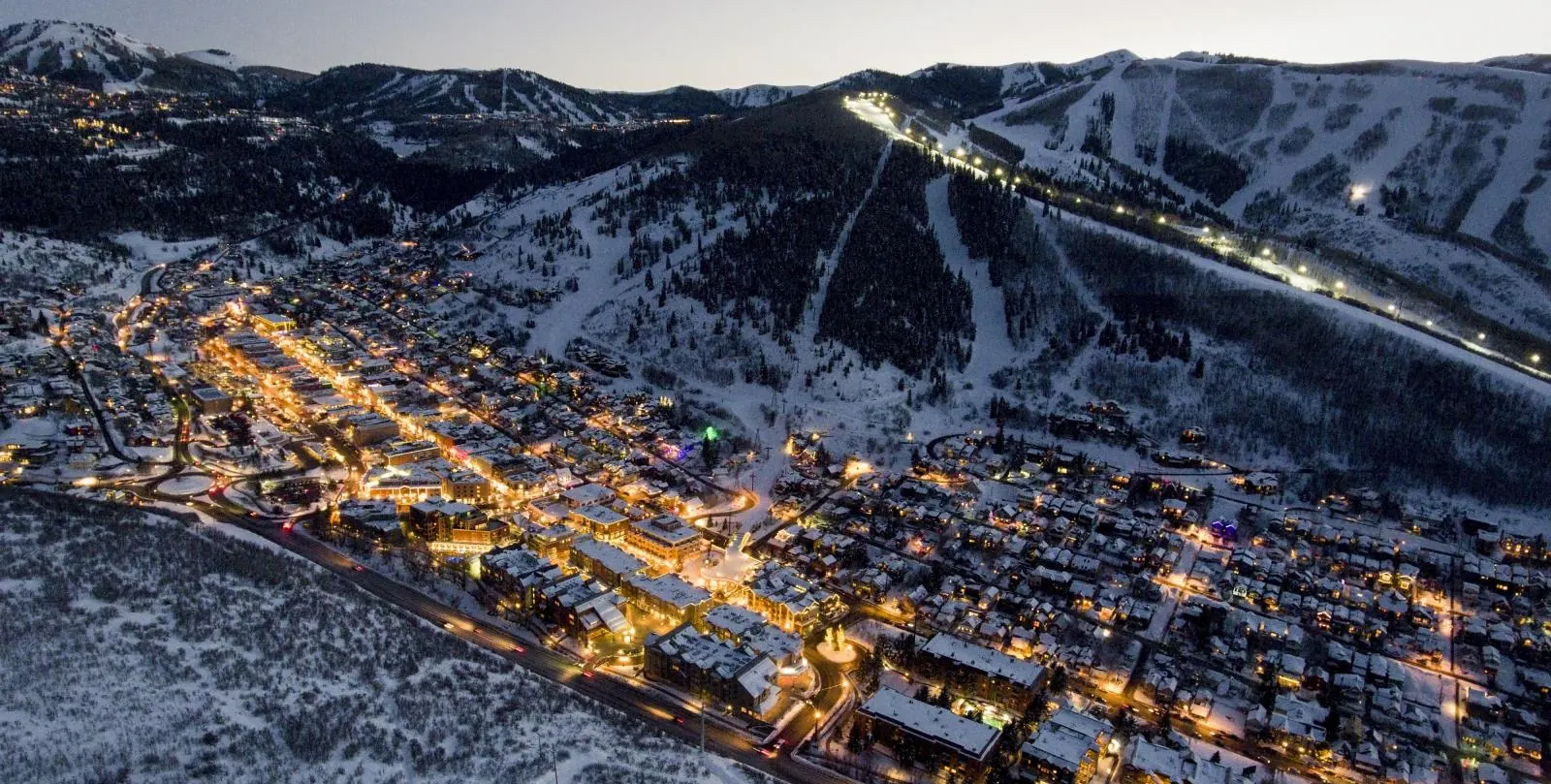
The 200% rule is the identification path for an investor who wants a spread of smaller assets rather than a single large building. In Park City that usually means a mix of Main Street commercial condos, Kimball Junction retail pads, or a DST allocation, and the identification list has to be priced and packaged like a bid schedule before the 45-day window closes.
What the 200% Threshold Actually Allows
Instead of the three-property cap, the 200% rule permits identifying an unlimited number of replacement properties, provided the combined fair market value of everything on the list does not exceed twice the sale price of the relinquished property. There is no requirement to close on all of them, only that the written identification, delivered to the qualified intermediary inside the 45-day window, describes each property unambiguously.
Going even one dollar over the 200% cap on the identification list disqualifies the entire list unless the 95% rule is separately satisfied, so the valuation work on each candidate has to be done before the list is finalized, not after.
Building the Line-Item List Across Park City Submarkets
A 200%-rule list assembled for a Park City exchange often pairs a Main Street or Prospector commercial condo with one or two Kimball Junction retail or flex bays and a Delaware statutory trust allocation as a passive backstop. Pricing each line item against a realistic, financeable value matters more than pricing it optimistically, since an inflated valuation on any one property can push the aggregate over the cap.
Because inventory in a resort market this size is thin relative to a metro area, the list frequently draws candidates from both the Snyderville Basin corridor and the Heber Valley side of the Wasatch Back to keep enough qualifying options in front of the intermediary before day 45.
A list that leans too heavily on one submarket, such as several Main Street storefronts at similar price points, also concentrates risk if that corridor slows down all at once during the off-season. Spreading candidates across Kimball Junction, Snyderville Basin, and the Heber Valley side of the Wasatch Back gives the aggregate value some diversification alongside the cap discipline.
Submittal Line Items for a 200% Rule Package
- Preliminary valuation or broker opinion of value on each candidate property
- Aggregate value worksheet comparing the running total to the 200% cap
- Legal description or unambiguous street address for each identified property
- Financing feasibility note for any candidate carrying debt
- DST or fractional allocation term sheet, where used as a backstop
Coordinating the List With the Qualified Intermediary and Lender
The qualified intermediary needs the finalized list, with values attached, in time to confirm it against the 200% cap before the 45-day window closes; this is not a document to hand over on day 44. If any candidate on the list carries acquisition financing, the lender should have a preliminary read on that property before it is added, so the identification package is not built on a candidate that later fails underwriting.
Where the 200% Approach Runs Into Trouble
The most common failure point is a valuation that looked conservative when the list was assembled and turns out to be low once a broker or appraiser weighs in, pushing the aggregate past the cap after the window has already closed. A second failure point is treating the identification list as a final decision rather than a live working document; every property on it should be checked against current asking price and financing terms right up to day 45, and an investor should confirm the final numbers with their tax advisor before relying on the list.
A third failure point shows up later, at closing, when only a subset of the list actually gets purchased: the investor needs to track how the properties that do close compare in value to the original relinquished sale price, since the 200% cap governs the identification stage but the final exchange value still needs to satisfy the investor's own deferral goals with the properties actually acquired.
Common 1031 Exchange Questions
Can an investor identify more properties than they intend to buy under the 200% rule?
Yes, that is the point of the rule. Any number of properties can be listed as long as the combined fair market value stays at or under 200% of the relinquished sale price, and only some of them need to actually close.
What happens if the identification list's total value exceeds 200% by even a small margin?
The entire identification list can be disqualified unless the investor separately satisfies the 95% rule by acquiring at least 95% of the aggregate value identified, which is a much narrower fallback and should not be relied on as a default.
Is a DST allocation a reasonable line item on a 200%-rule list for a Park City exchange?
It can serve as a passive backstop alongside active property candidates, though the DST's own offering terms and any associated debt should be reviewed with the investor's advisor before it is counted toward the aggregate value.
How does thin inventory in a resort market affect a 200% rule strategy?
A smaller market can make it harder to assemble enough qualifying candidates inside 45 days, which is why Park City lists often pull in nearby Wasatch Back properties rather than staying limited to a single submarket.
Who confirms the final aggregate valuation before the list is submitted?
The investor's broker or appraiser should confirm each value, and the investor's own tax advisor should review the aggregate math against the 200% cap before the list goes to the qualified intermediary.