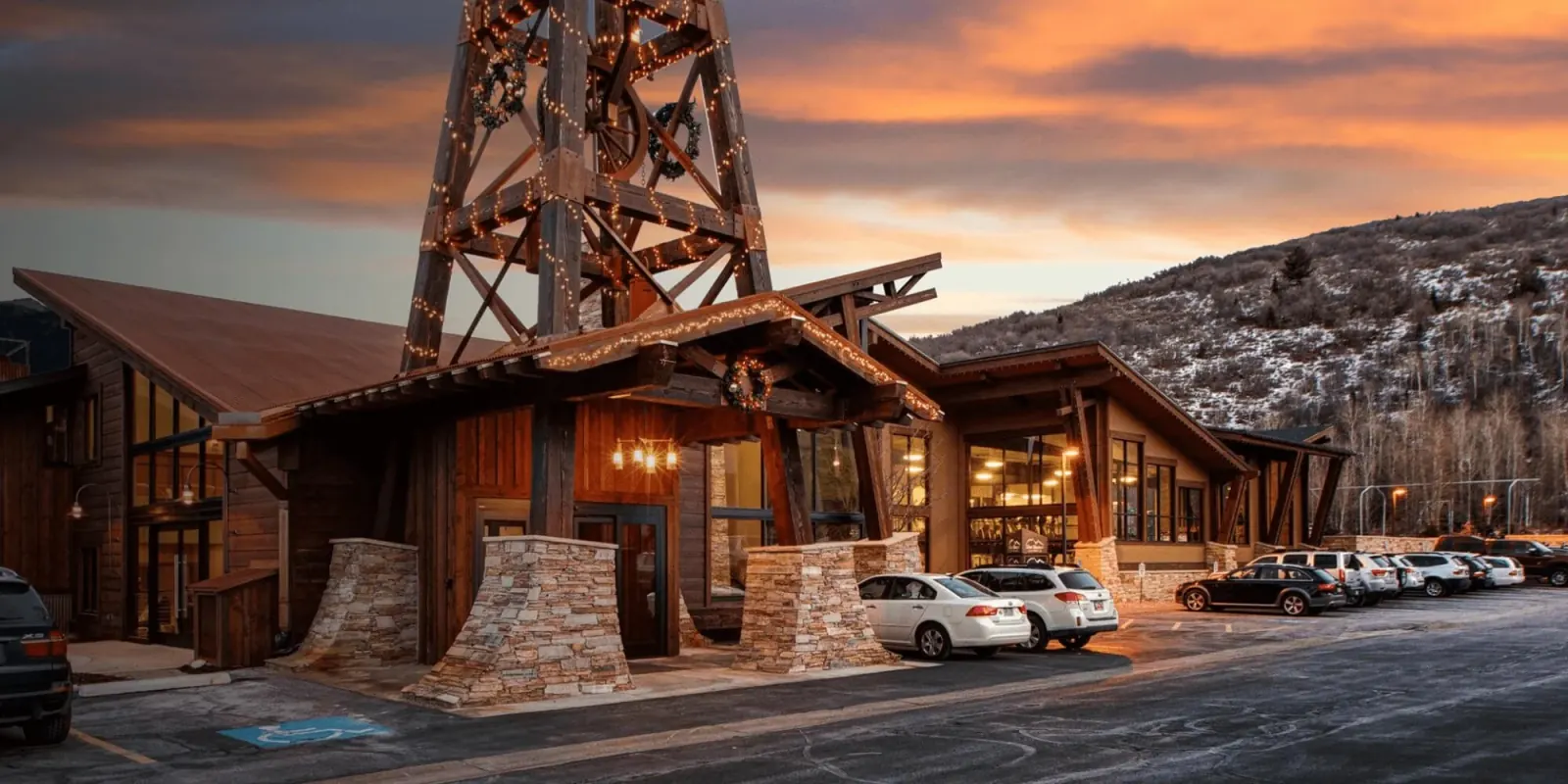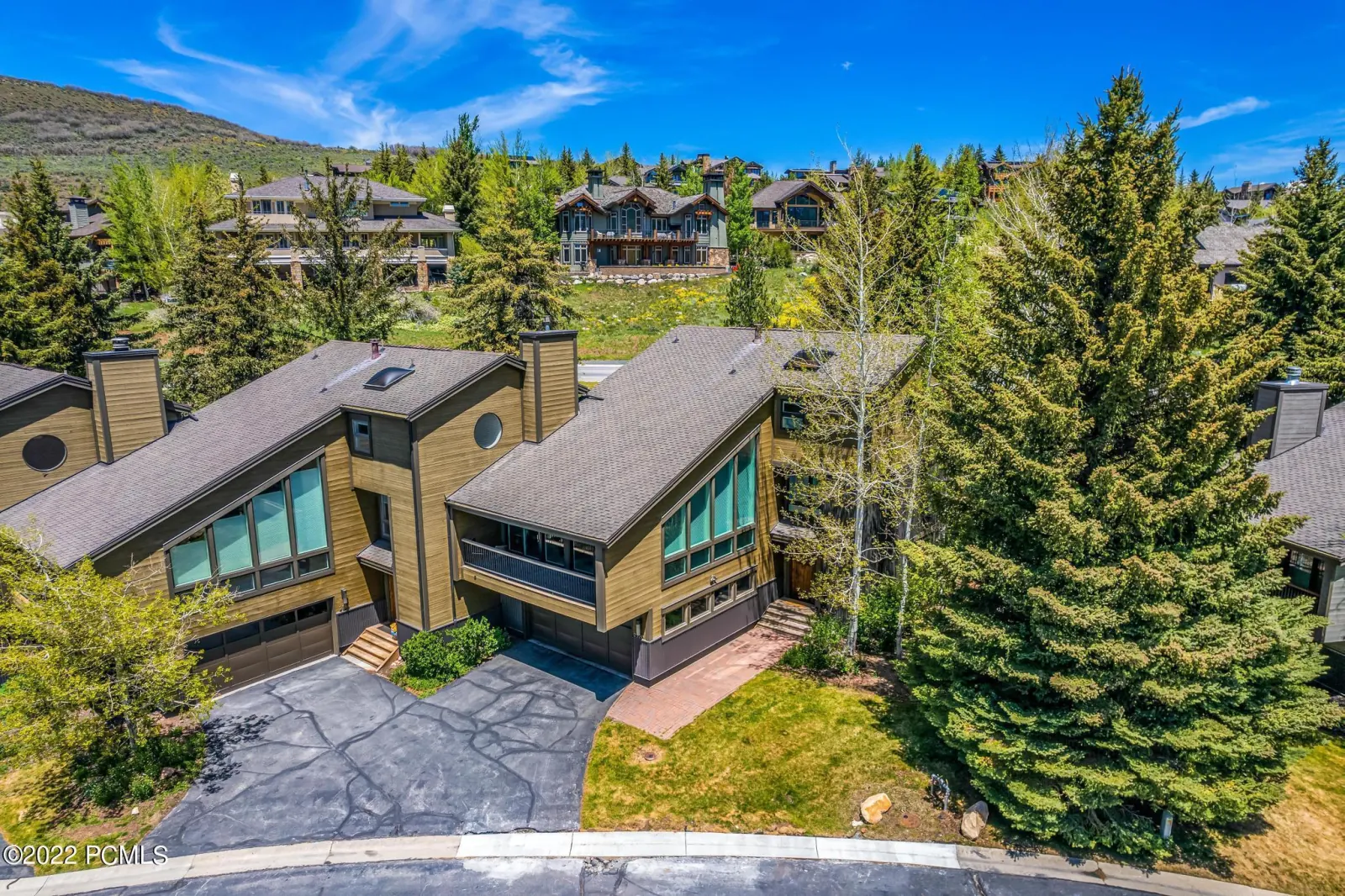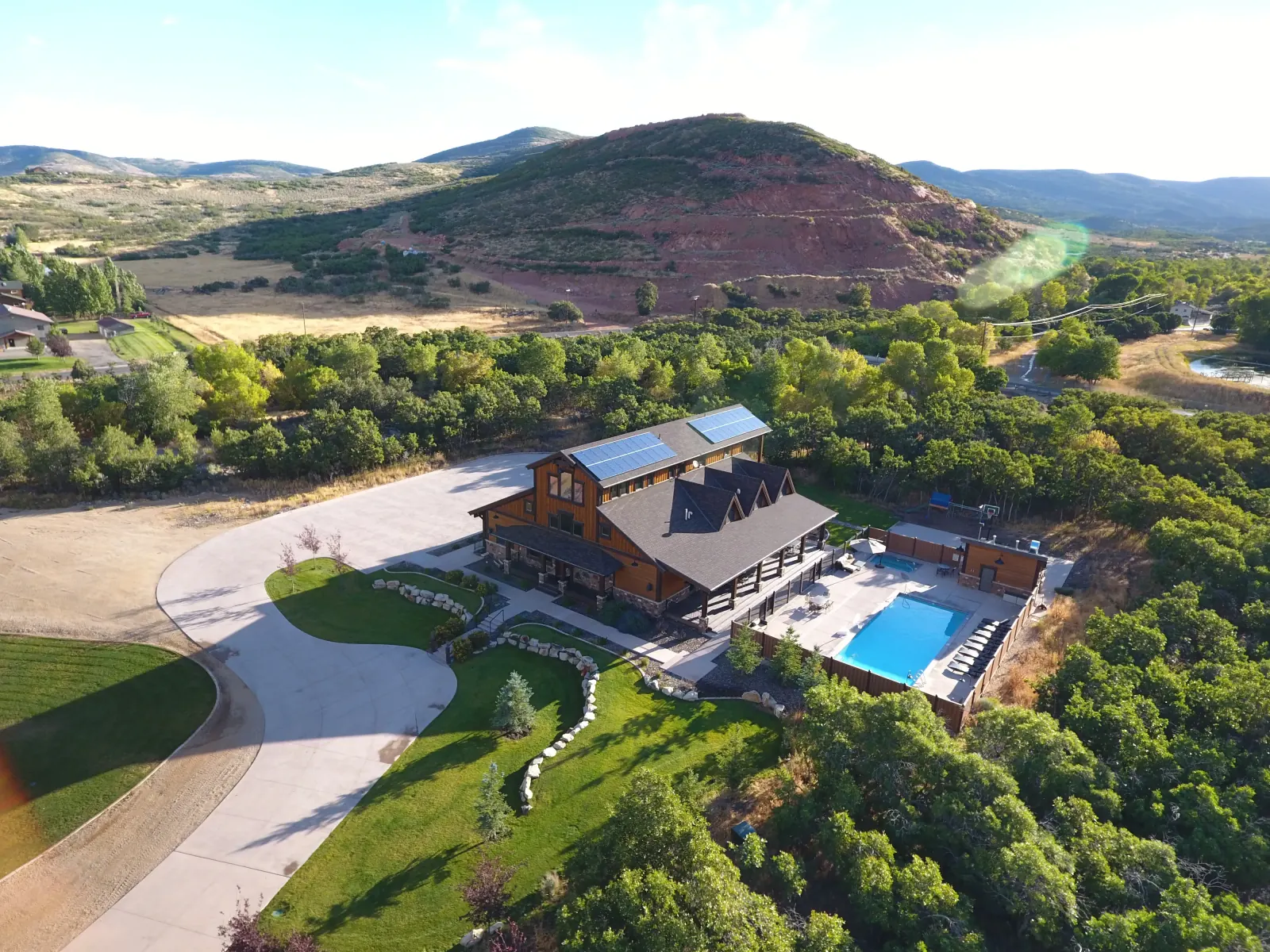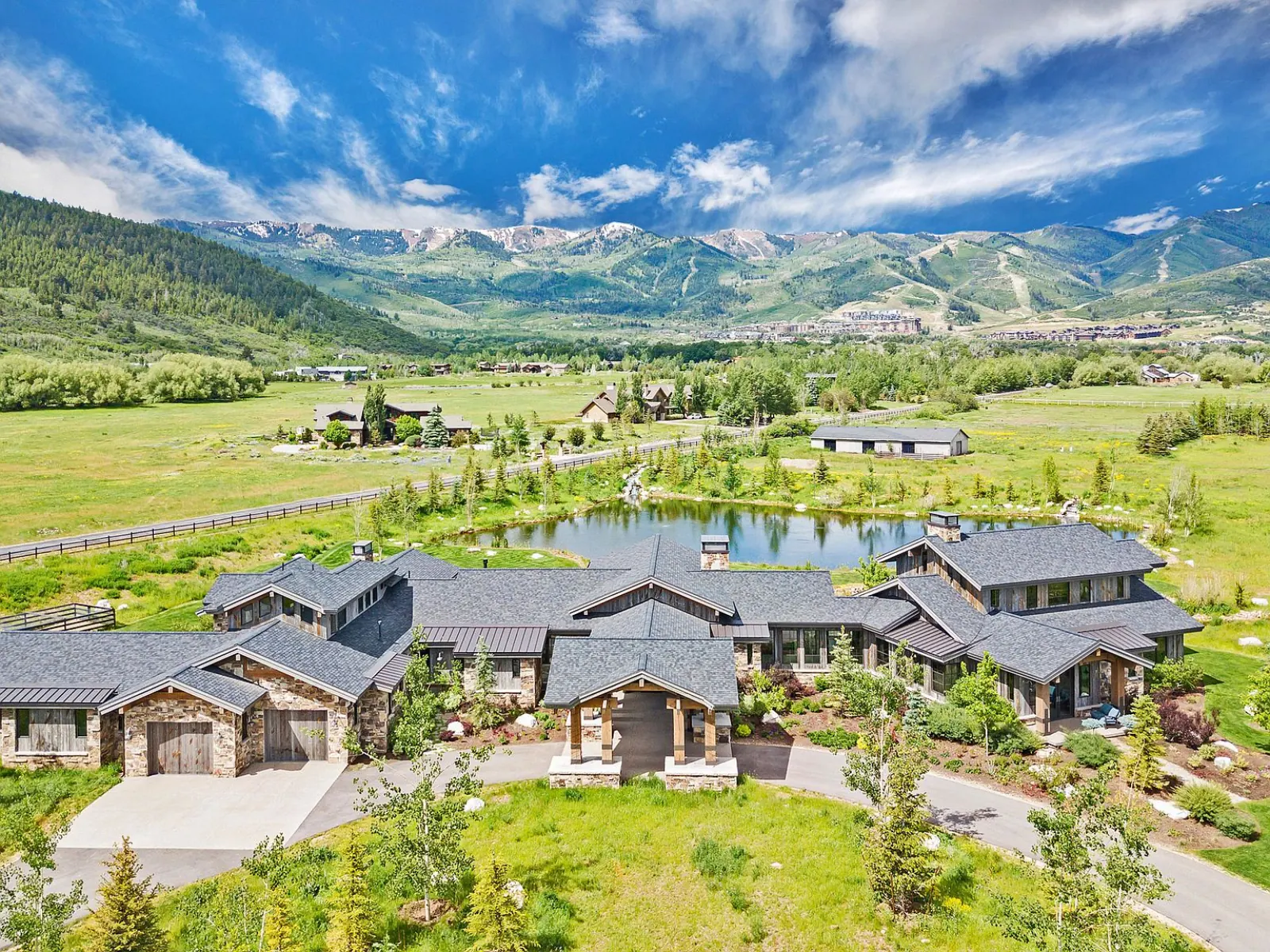
Snyderville is the unincorporated basin that wraps Park City to the north and west, historically ranching and dairy land before the ski industry drove development along Highway 224 and the Kimball Junction commercial spine. Because the basin sits under Summit County rather than Park City Municipal, jurisdiction is the first fact any file from this area has to establish. The basin has no single downtown or civic center of its own; it is instead a patchwork of named neighborhoods, Kimball Junction, Pinebrook, Jeremy Ranch, Silver Springs, and others, each with its own identity even though all fall under the same county government.
Scope of the Exchange File
A Snyderville relinquished property could be a residential rental in one of the basin's many neighborhoods, a commercial space along the Kimball Junction corridor, or land carrying development potential. Because the basin covers such a wide range of product, the scope work should identify the specific asset class first, residential, commercial, or land, rather than treat the whole basin as a single market with one comparable set.
County zoning and entitlement processes apply here rather than city planning rules, and that distinction matters for any candidate involving permitted use changes, subdivision, or commercial conversion. The basin's development history, ranching and dairy land converted gradually into resort-adjacent neighborhoods and commercial nodes, also means some parcels still carry legacy agricultural exemptions or easements that a straightforward residential title search will not surface without a specific request.
Submittal Checklist for Replacement Candidates
Before a candidate is placed on the identification notice, the file should include:
- current lease or rent roll matched to the correct asset class, residential or commercial
- Summit County zoning confirmation for the specific parcel
- title report identifying any recorded development or utility easements
- comparable sales drawn from the same neighborhood within the basin, not a basin-wide blend
- lender term sheet appropriate to the asset class
- HOA documents where the candidate sits inside a governed subdivision
Diligence Notes on County Jurisdiction
Because Snyderville is unincorporated, permitting, road maintenance, and some utility services run through Summit County rather than Park City, and a buyer or lender assuming city process can be caught off guard by a different timeline or requirement. The file should confirm the applicable jurisdiction and cite the correct county office for any pending approval tied to a candidate.
The basin connects several distinct submarkets, Kimball Junction, Pinebrook, Jeremy Ranch, Silver Creek, each with its own pricing pattern, so a comparable pulled from one should not be used to support value in another without adjustment. A file that treats the basin as one market rather than a collection of adjacent but distinct submarkets is the most common source of a weak comparable set at identification. Water rights and shared well infrastructure are also worth checking on any older basin parcel, since some of the area's earlier agricultural and ranching-era water arrangements were never fully converted to standard municipal service.
Coordination Workstream
The qualified intermediary prepares the identification notice once the asset class and jurisdiction are confirmed. The tax advisor and CPA review basis and boot exposure for the specific property type involved. The lender should be told early which asset class and jurisdiction apply, since basin properties can require different underwriting than in-town product. Title confirms county-recorded easements and zoning status ahead of closing, along with any legacy agricultural exemption that could affect the parcel's assessed value or future entitlement path once the property changes hands.
Backup Candidates Across the Basin
If a preferred Snyderville candidate is delayed by a county approval or financing timeline, the file should already carry a documented alternate from Kimball Junction, Silver Creek, Jeremy Ranch, or Summit Park, each confirmed independently for jurisdiction, zoning, and value rather than assumed interchangeable simply because both sit within the basin under the same county government.
Common 1031 Exchange Questions
Why does jurisdiction matter for a Snyderville Basin exchange file?
Snyderville is unincorporated and falls under Summit County rather than Park City Municipal, which means zoning, permitting, and some utility processes differ from in-town properties. Confirming jurisdiction early avoids surprises during closing or any pending approval.
Can a residential rental in one basin neighborhood be exchanged for commercial space in another?
Yes, both are like-kind real property under the 1031 rules. The file should still document the different lease structures and management demands, since a residential rental and a commercial lease carry different ongoing obligations for the new owner.
How should comparables be selected across such a large, varied area?
From the specific neighborhood within the basin rather than a basin-wide average, since Kimball Junction, Pinebrook, Jeremy Ranch, and Silver Creek each carry distinct pricing patterns driven by different access, amenities, and development vintage.
What county-level approval issues most commonly affect a Snyderville replacement candidate?
Zoning confirmation, road or utility easements, and any pending subdivision or use-change application. These should be verified with Summit County directly rather than assumed based on how a similar property was handled inside Park City's city limits.
Does an HOA-governed candidate in the basin require different diligence than a non-HOA property?
Yes, HOA financials, reserve studies, and any pending special assessments should be reviewed in addition to the standard county zoning and easement checks, since many basin neighborhoods are subdivision-governed even though the broader area is unincorporated.