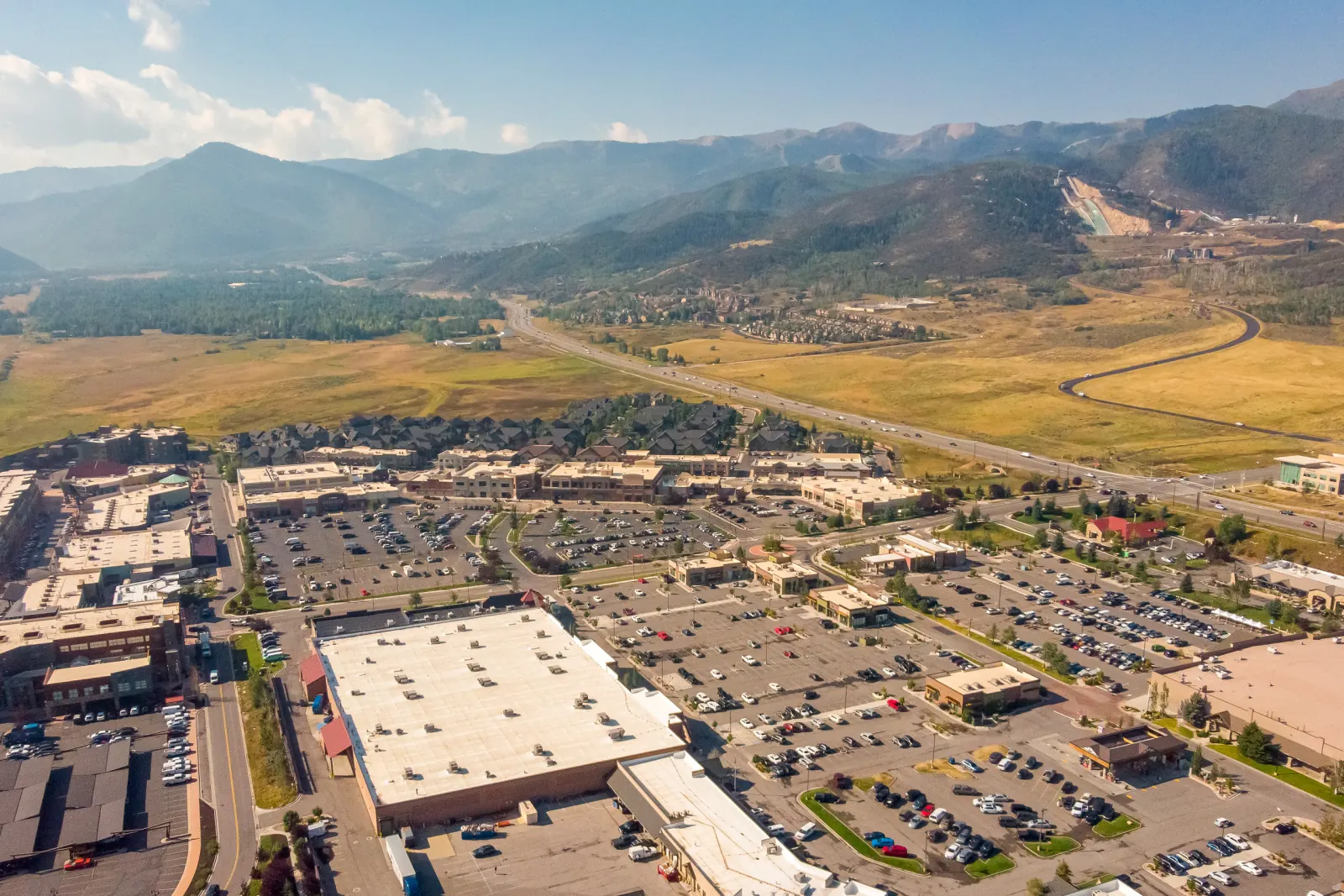
Park City is a small incorporated municipality wrapped by a much larger unincorporated area, Snyderville Basin, and that boundary matters for exchange files because it changes which planning office, tax district, and short-term rental rules apply to a given address. Most files reference this city page as the coordination hub for the surrounding neighborhoods below.
Scope of Coordination Across the Metro
A Park City file typically ties together one relinquished property, whether that is a Main Street storefront, a condominium near the resort base, or a rental home in an outlying neighborhood, with a slate of replacement candidates spread across the incorporated city and the surrounding basin. The scope work has to hold two markets in view at once: the tighter, higher-priced in-town inventory, and the broader, more varied stock in Kimball Junction, the Snyderville neighborhoods, and points east toward Silver Creek and Promontory.
Ownership here is disproportionately remote. Owners based outside Utah are common, which means document routing, signature timing, and advisor availability need to be built into the closing calendar rather than assumed. A file that treats every signature as requiring an overnight courier, and every review as needing a scheduled call rather than an email chain, tends to close on time; a file that assumes everyone is reachable on short notice does not.
Because this page functions as the coordination hub, it also carries the responsibility of keeping neighborhood-level facts, jurisdiction, zoning, transient-tax registration, straight rather than blended. A candidate in Old Town and a candidate in Silver Creek are both technically part of the Park City exchange market, but they answer to different rules and should never be summarized under one generic description.
Submittal Package for a Metro-Wide File
Regardless of which neighborhood the replacement sits in, the file should carry:
- current rent roll or booking history for the relinquished property
- a jurisdiction check confirming whether the candidate sits in the incorporated city or unincorporated Summit County
- transient-room-tax registration status for any short-term rental candidate
- comparable sales from the same submarket, not a metro-wide blend
- lender term sheet where the replacement carries acquisition debt
- qualified intermediary exchange agreement and deposit confirmation
Diligence Notes on the Resort Economy
Two ski areas, Park City Mountain and Deer Valley, anchor demand for lodging and short-term rental property, and that demand is seasonal by design: winter and summer peaks, shoulder-season softness. A file underwriting a replacement on trailing twelve months of income needs to show both peaks and the gap between them, not an averaged figure that hides the swing.
The Rail Trail corridor and the reach toward Utah Olympic Park give some outlying parcels recreation-adjacent value that does not show up in a standard sales comparison; that should be noted, not assumed, in any narrative supporting a comparable. A comparable pulled from a property with direct trail frontage should not be applied to a candidate three blocks away without adjusting for that access difference.
The metro's transient room tax also applies unevenly depending on whether a unit sits inside city limits or the unincorporated basin, and the rate and remittance process differ between the two. A file that assumes one tax framework applies everywhere risks an inaccurate net-income projection for whichever candidate falls on the other side of that line.
Coordination Workstream
The qualified intermediary prepares the identification notice and holds exchange proceeds outside the investor's control. The tax advisor confirms basis and boot exposure before any replacement is finalized. The lender, for any financed replacement, should issue a preliminary approval well before day 45 given how often the buyer is coordinating from out of state. Title and closing confirm jurisdiction, zoning, and short-term rental registration status for the specific parcel, not the metro generally.
Identification Sequencing for Remote Owners
Because Park City ownership skews remote, the identification sequence usually starts with a documentation pass, confirming what paperwork already exists for each candidate, before any site visit is scheduled. That ordering keeps the 45-day window from being consumed by travel logistics that could have been resolved by phone and email.
Common 1031 Exchange Questions
Does it matter whether a replacement property sits inside Park City's city limits or in Snyderville Basin?
It can. The two areas fall under different planning jurisdictions, Park City Municipal versus Summit County, with different zoning and short-term rental rules. The file should confirm jurisdiction for each candidate rather than assume city rules apply metro-wide.
How should a remote owner handle site visits within the 45-day identification window?
Front-load document review, rent rolls, HOA financials, title, before scheduling travel. Many owners identify based on documentation and a single consolidated trip rather than repeated visits, which keeps the window from being spent on logistics.
Can a Main Street commercial property be exchanged into a residential rental elsewhere in the basin?
Yes, both are real property held for investment and qualify as like-kind under the 1031 rules. The tax advisor should still confirm that depreciation recapture and any passive-activity considerations are addressed before the exchange is finalized.
Why does seasonal income matter for underwriting a Park City replacement?
A trailing twelve-month average can mask a wide swing between winter peak and shoulder-season softness. The file should show both, since a lender and a future buyer will underwrite the same way.
What is the most common reason a Park City identification list needs a backup candidate?
Thin inventory in the immediate area the investor prefers. Files here commonly carry at least one candidate from a neighboring submarket, in-town or basin-wide, as a documented backup before day 45 rather than as a late scramble.