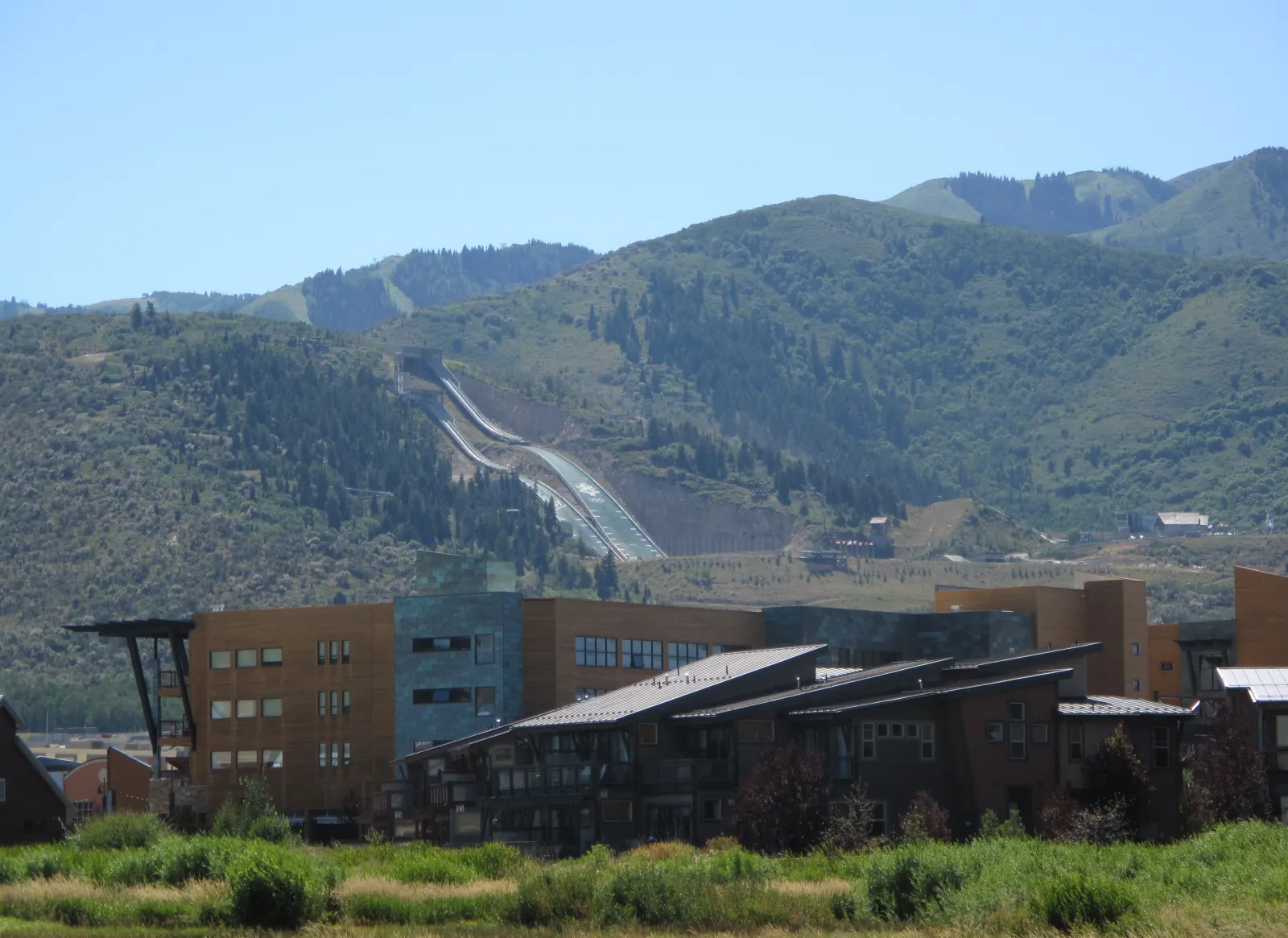
Oakley is a small ranching town in South Summit County, set along the Weber River south of Kamas on Highway 32. Its investable stock is dominated by agricultural land and modest residential rentals, with commercial property limited to a handful of buildings serving the ranching community and the annual rodeo grounds, so a 1031 exchange file here has to be honest about scale from the start. The town's rodeo grounds host sanctioned events each summer, drawing regional traffic that occasionally supports a small hospitality or vendor use, but that is the exception rather than the rule for what actually trades here.
A Ranching Town With Limited Commercial Stock
Oakley's economy centers on ranching and agriculture, with Weber River access and the town's rodeo grounds giving it a distinct identity within South Summit County. Investment property here tends to be land-heavy: pasture and hay ground with some development potential, a small number of rental homes, and a few single-tenant commercial buildings, rather than a stabilized multi-tenant asset with a conventional rent roll. A sale-side review should document current land use, any grazing or lease arrangements, and water rights before that property is compared against replacement candidates. Weber River frontage in particular can carry its own access and riparian considerations, and those should be reviewed by the title company alongside any grazing or agricultural-use lease already in place.
Scope of the Identification Package for Rural Land
Because so much of Oakley's investable value sits in land rather than improved commercial buildings, the identification package should treat water rights and land-use documentation as core line items rather than an afterthought.
- Title report confirming water rights and grazing-lease terms
- Current land-use and zoning documentation
- Lease or tenancy records for any improved rental property
- Lender preflight for a rural or land-heavy replacement asset
- Market-comparable analysis against Kamas, Peoa, and Francis sales
Each item should be confirmed with the title company and the investor's tax advisor early, since rural land transactions can carry longer closing timelines than an improved commercial building. A candidate near the rodeo grounds or along the Weber River corridor should be reviewed the same way, with water rights and access confirmed before it is treated as interchangeable with a more conventional small commercial building elsewhere in South Summit County.
Converting Rural Equity Into a Clearer Income Asset
An owner exchanging out of Oakley land or a small rural rental often has to decide whether to stay in a similarly land-heavy asset or move toward commercial income property with a documented rent roll and standard lease structure. That decision should be driven by the investor's management preference and income goals rather than by convenience, and the market-comparable analysis should present both options with a clear read on what each requires from the investor after closing. An investor comfortable managing grazing leases and water infrastructure may prefer to stay in a similar rural asset, while one who wants a simpler landlord relationship is usually better served by a leased commercial building with a documented tenant and a standard annual lease rather than an informal grazing arrangement passed down within the family.
45-Day Sourcing on a Thin Rural Market
Given how little comparable inventory trades in Oakley in any given year, an owner should start sourcing replacement candidates as soon as the relinquished property is under contract, widening the search to Kamas, Peoa, and Francis if needed to build a complete three-property list. Rural land and small commercial financing can also take longer to underwrite than an urban purchase, so lender preflight should start early rather than after the identification notice is filed.
Advisor Sign-Off Before Filing
Before the identification notice is signed, the qualified intermediary and the investor's tax advisor should confirm the replacement candidate's water rights, land use, and title are documented clearly enough to close inside the 180-day period, and the lender should confirm financing terms fit a rural or land-heavy asset. Oakley transactions often move at a slower, more document-dependent pace than a resort-area sale, and the closing calendar should reflect that from the outset.
Common 1031 Exchange Questions
Can Oakley pasture or hay ground qualify as like-kind replacement property?
Agricultural land held for investment generally qualifies as like-kind to other real property, though the investor's tax advisor should confirm the specific use and holding intent before it's added to the identification list.
Do water rights need to be handled separately from the land sale itself?
Yes, water rights attached to Oakley agricultural land can carry their own value and transfer requirements, so the title company should review them independently of the underlying real property.
Why would I widen my search to Kamas or Francis if I'm selling Oakley property?
Those towns share similar rural, agricultural characteristics and sometimes offer more comparable inventory, which can help complete a workable three-property identification list.
Is a small rural rental property harder to underwrite for replacement financing?
It can take longer than an urban commercial purchase, since lenders may want more documentation on land use, water rights, and rental history, so preflight should start as early as possible.
Should I move from land into a commercial building with tenants, or stay in a similar rural asset?
That decision depends on the investor's management preference and income goals, and both options should be compared directly in the market-comparable analysis before the identification list is finalized.