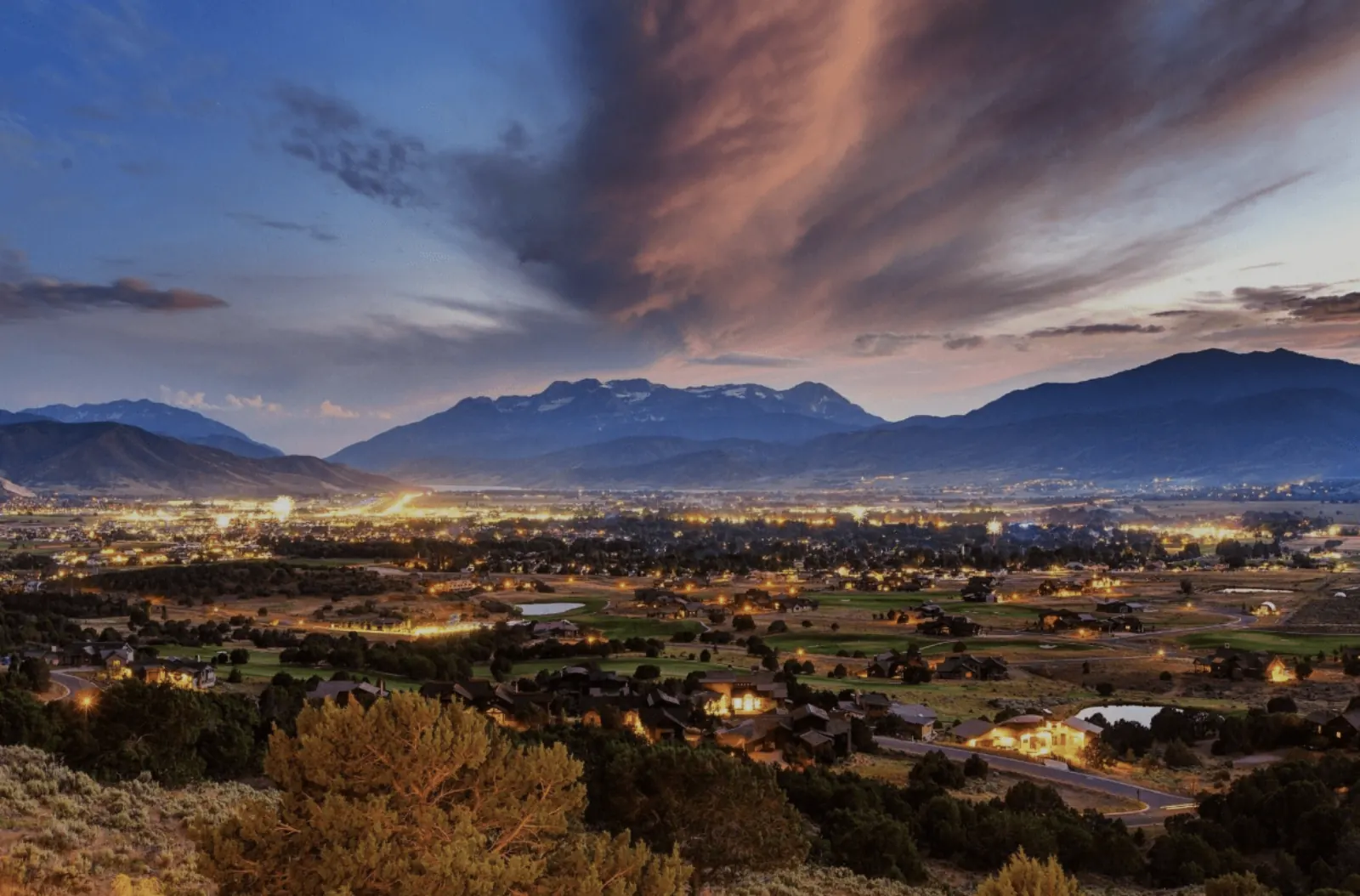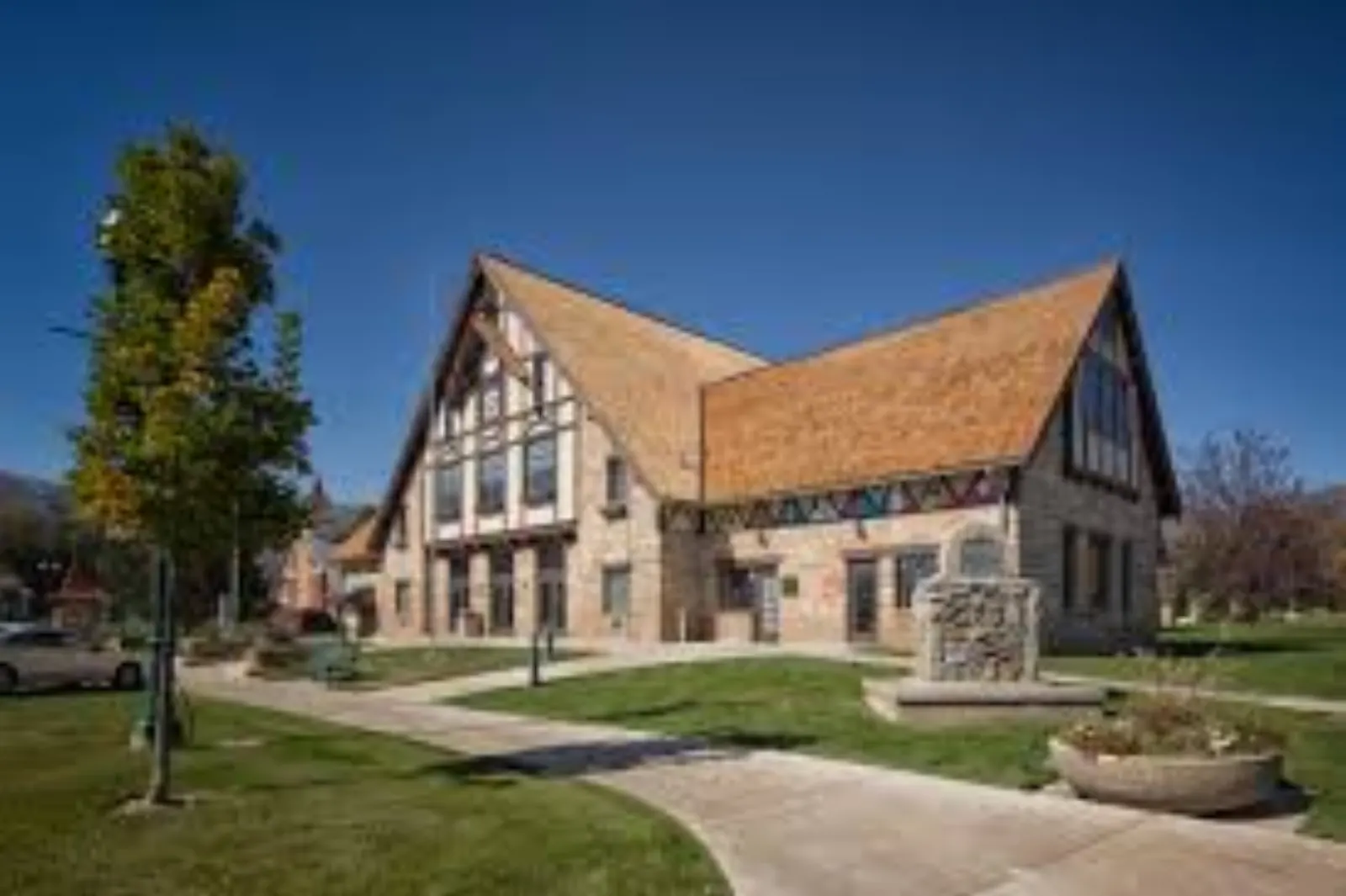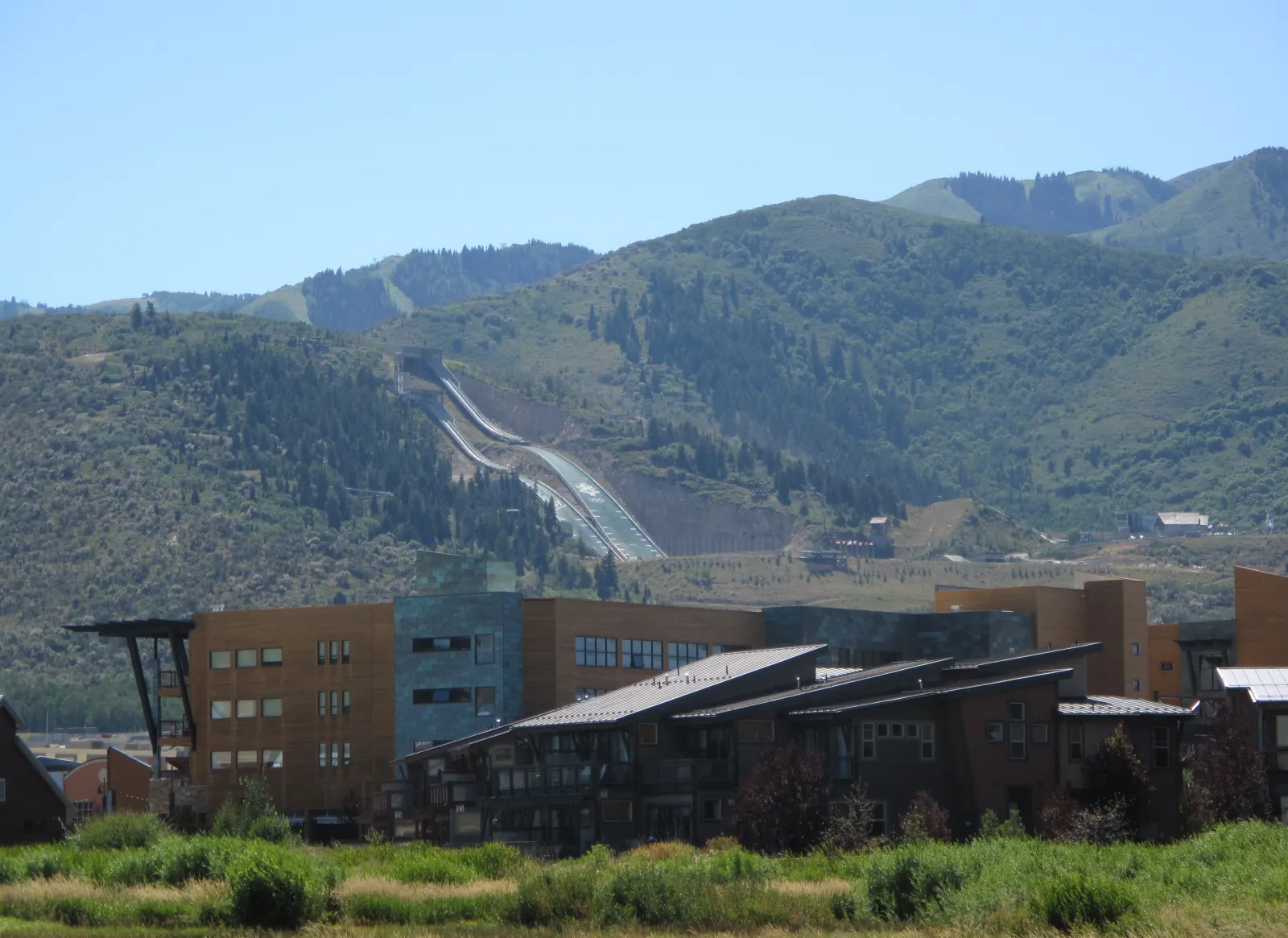
Kamas sits at the south end of Summit County, where SR-150, the Mirror Lake Highway, begins its climb into the Uinta Mountains. The town's commercial base is small and agricultural in character, centered on feed and ranch-supply businesses, a handful of Main Street buildings, and the South Summit fairgrounds, which sets it apart from the resort-driven submarkets closer to Park City.
A Small Agricultural and Gateway Commercial Base
Kamas functions as the commercial center for South Summit County's ranching and farming community, and as a supply and staging point for recreation traffic heading up Mirror Lake Highway toward the Uinta Mountains in summer months. Investment property here tends to be modest, a single-tenant feed or hardware store, a small mixed-use building on Main Street, or agricultural land with some development potential, rather than a stabilized multi-tenant asset with a deep rent roll. A sale-side review should confirm actual tenant history and any seasonal fluctuation in business income tied to the recreation traffic before that figure is used in replacement underwriting. The South Summit fairgrounds also draw rodeo and county-fair traffic each year, and any business whose income depends on that calendar should have its seasonal pattern documented the same way as recreation-driven revenue tied to Mirror Lake Highway traffic.
Scope of the Identification Package for a Small-Town File
Because Kamas properties are often single-tenant or family-operated, the identification package should be built to document income and title clearly rather than assume a lender will accept a thin operating history without support.
- Current lease or tenancy documentation, however informal
- Title report confirming water rights and agricultural-use encumbrances
- Seasonal income breakdown if tied to recreation traffic
- Lender preflight for a rural or agricultural-adjacent asset class
- Qualified intermediary confirmation of exchange escrow terms
Water rights in particular deserve their own line item here, since a Kamas-area property's agricultural water rights can carry separate value and separate transfer requirements from the real property itself. That distinction should be confirmed with the title company before the identification notice is drafted, since a missing or unclear water right can hold up closing even after every other item on the list is complete, and resolving a water-rights dispute after the 45-day window closes is far harder than confirming it beforehand, particularly for a share that has never been formally adjudicated against the underlying stream system.
Sourcing Replacement Candidates in South Summit County
Given how little inventory turns over in Kamas itself, a market-comparable analysis for an owner exchanging out of a Kamas property typically widens to include Oakley, Francis, and Peoa, all of which share a similar rural, agricultural character. That comparison should focus on which candidate offers the clearest title and income documentation rather than which is geographically closest, since a nearby property with unclear water rights or an undocumented lease can slow a closing more than a candidate a few miles farther away.
45-Day Timing in a Thin Rural Market
The 45-day identification window doesn't shrink because Kamas has less inventory, so an owner should start building a candidate list, including backup options under the three-property rule, as soon as the relinquished property is under contract. Rural financing can also take longer to underwrite than a comparable urban purchase, so lender preflight should begin early rather than after identification is filed.
Advisor Sign-Off Before Filing
Before the identification notice is signed, the qualified intermediary and the investor's tax advisor should confirm the replacement candidate's title, water rights, and income documentation are complete enough to support the exchange, and the lender should confirm financing terms are workable inside the 180-day period. Kamas transactions often move at a different pace than a resort-area sale, and that difference should be planned into the closing calendar rather than discovered late. The final sign-off should also note whether any part of the relinquished or replacement property's income depends on the summer recreation season, since a lender reviewing that file months later should see the same seasonal context the sale-side team documented at the outset.
Common 1031 Exchange Questions
Do water rights need separate handling in a Kamas 1031 exchange?
Yes, agricultural water rights attached to a Kamas property can have their own transfer requirements and value, so they should be reviewed by the title company and the investor's tax advisor separately from the real property itself.
Can seasonal recreation income be used to underwrite a Kamas property?
It can, but a lender will typically want to see the seasonal pattern documented over multiple years rather than relying on a single strong summer, so that history should be part of the sale-side package.
Why would I look at Oakley or Francis if I'm selling a Kamas property?
Those towns share a similar rural, agricultural character and sometimes have more comparable inventory available, which can make it easier to build a complete three-property identification list.
Is farmland near Kamas considered like-kind to a commercial building?
Real property held for investment is generally like-kind to other real property regardless of use, though the investor's tax advisor should confirm the specific classification before it's added to the identification list.
Does an informal family lease on a Kamas property cause problems for the exchange?
It can complicate underwriting if there's no written documentation of rent and terms, so converting that arrangement into a proper lease or tenancy record before closing is generally recommended.