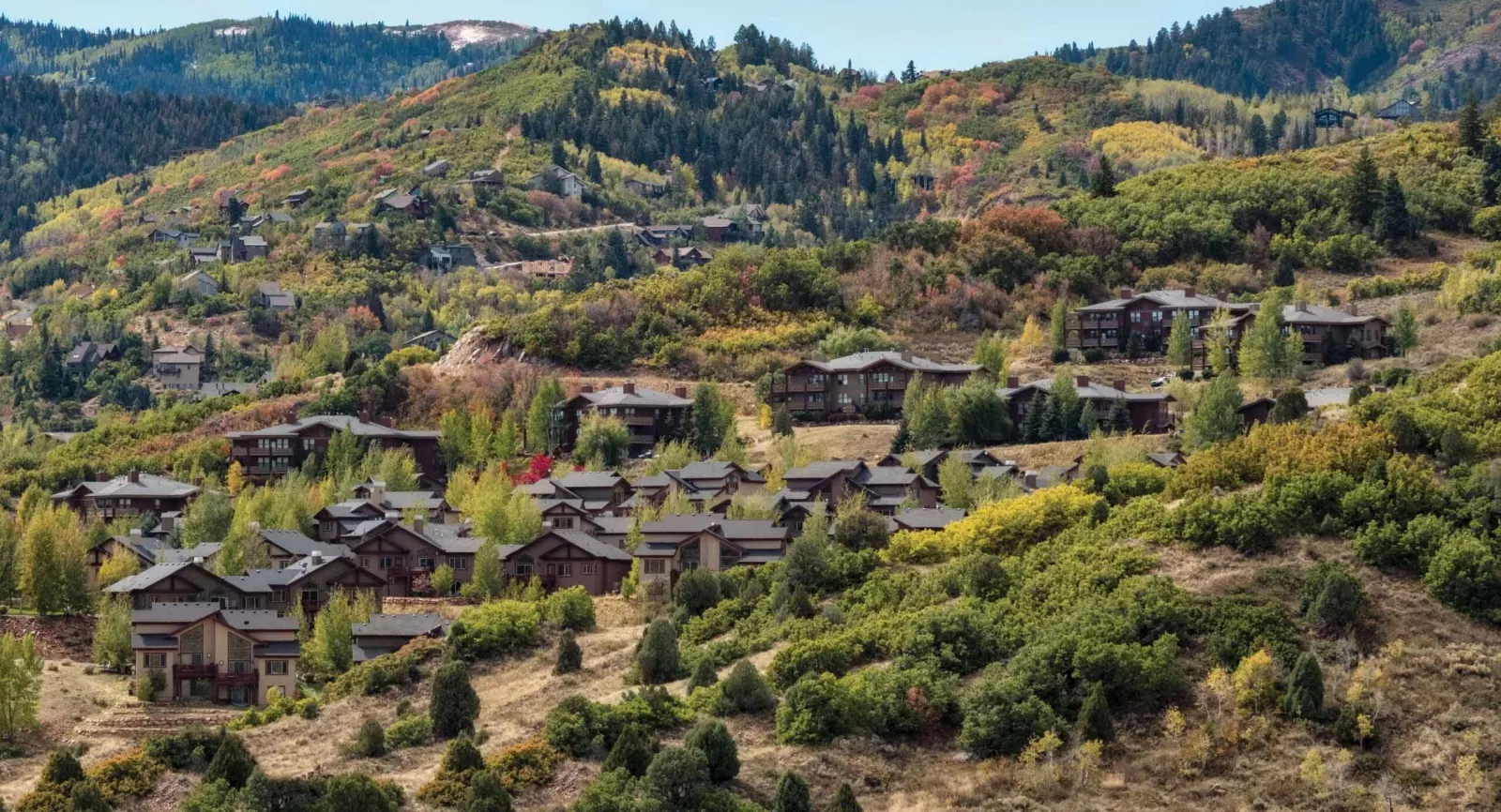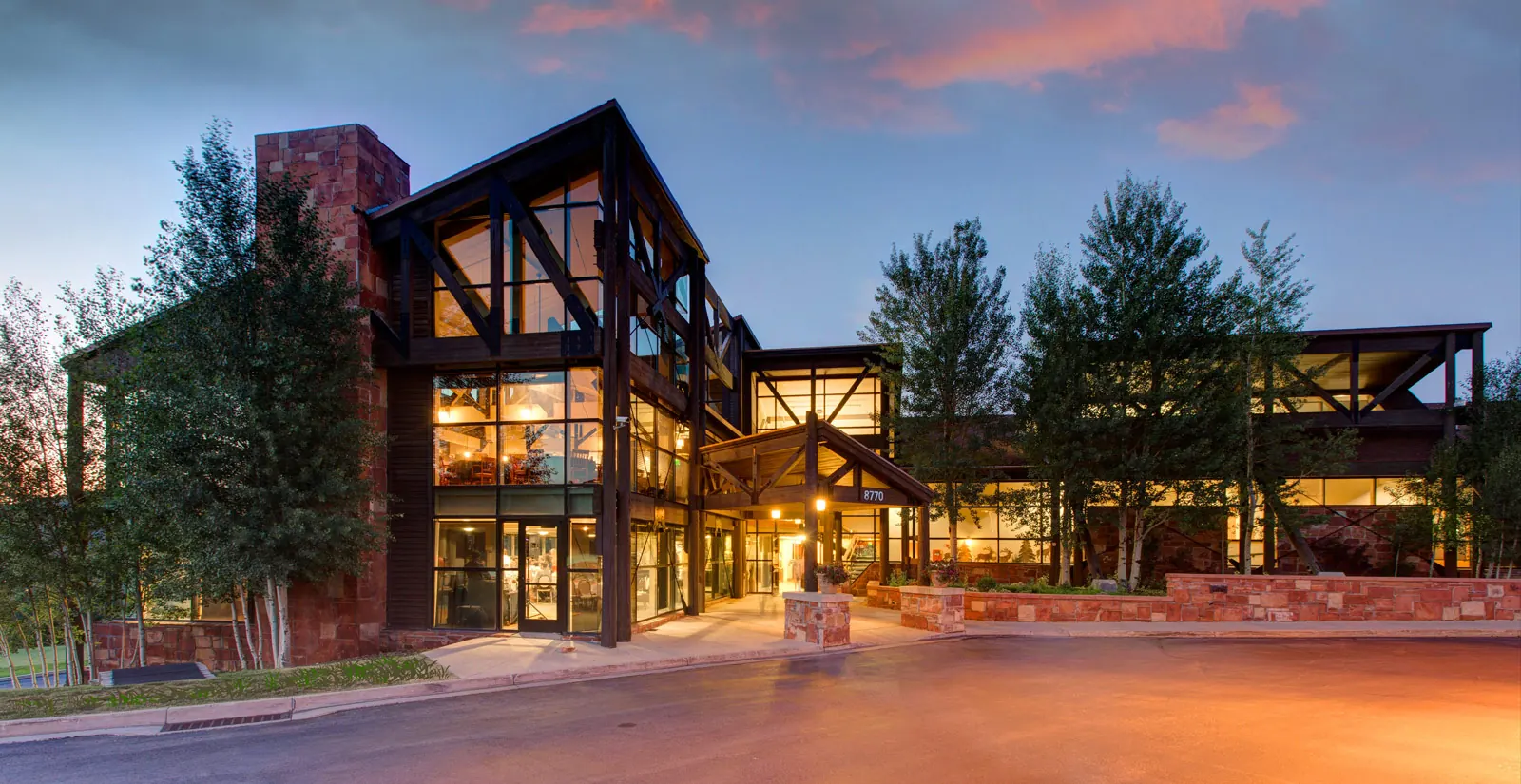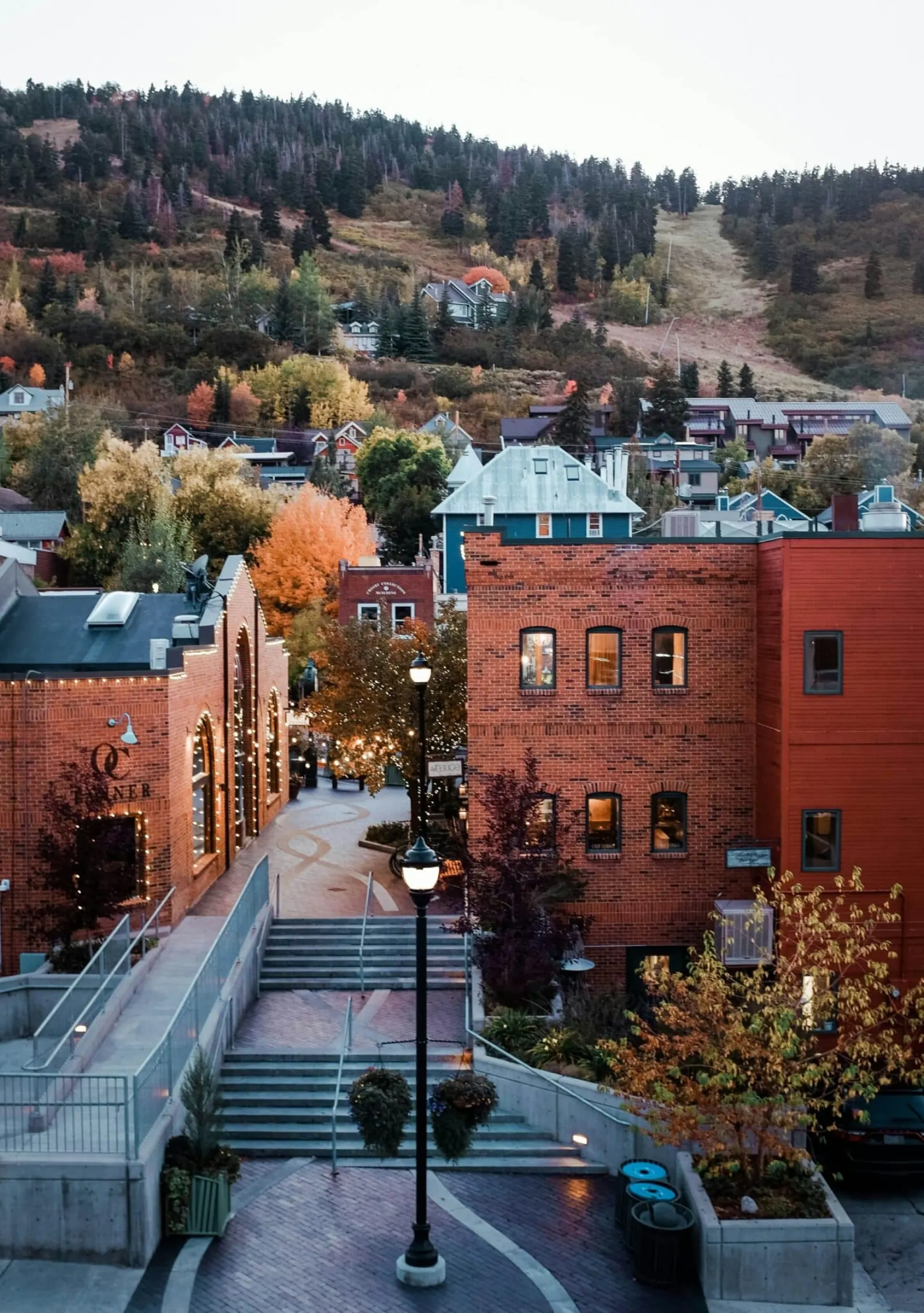
Old Ranch Road is a rural corridor in the Snyderville Basin near Round Valley and the Swaner Preserve, running between Highway 224 and the services at Kimball Junction. It isn't a town in its own right; it's a stretch of larger residential and land parcels, so an exchange file assembled around a sale here has to define what the market actually means before comparing it to anywhere else.
Larger Parcels Rather Than a Conventional Commercial Corridor
Property along Old Ranch Road tends toward larger single-family lots, some carrying accessory structures or small acreage, positioned between open space at the Swaner Preserve and the retail and service base at Kimball Junction. There is little standalone commercial product here; value is driven mainly by land, views toward Round Valley, and proximity to basin amenities rather than by leased square footage. A sale-side review should confirm actual rental history where a tenant is in place, since much of this corridor's value sits in the land itself rather than in an income stream a lender can easily underwrite. The Swaner Preserve's open-space boundary runs along part of the corridor, and any parcel adjacent to it should be checked for conservation restrictions or setback requirements that could limit future use or subdivision.
Scope of the Documentation Package for a Land-Value Asset
Because value here is driven more by land and location than by a conventional rent roll, the identification package should document that basis clearly enough for a lender and the investor's tax advisor to work with.
- Title report confirming parcel boundaries and any conservation easements
- Current lease or tenancy documentation, if applicable
- Appraisal support tied to land value and view premium
- Lender preflight for a low-density or land-heavy asset class
- Market-comparable analysis against comparable basin parcels
Each item should be confirmed early, since an appraisal built primarily on land and view value can take longer to support than one based on straightforward rental income.
Choosing Between Similar Land and Conventional Income Property
An investor exchanging out of an Old Ranch Road parcel typically weighs staying in a similarly land-driven asset, another large residential lot or acreage nearby, against moving into a leased commercial or multifamily property with a documented income stream. That comparison should be explicit in the market-comparable analysis, since the two paths carry very different underwriting requirements and very different post-closing management demands. An investor drawn to the corridor's scarcity and privacy may prefer another large parcel nearby, while one focused on predictable cash flow is usually better served by a leased building with a documented rent roll rather than a second land-value asset that would need the same land-and-view appraisal work repeated all over again at the next sale down the line, years from now, regardless of who happens to own the parcel by then or what the surrounding basin looks like at that point.
45-Day Timing When Value Is Hard to Standardize
Because comparable sales along Old Ranch Road are infrequent and each parcel's land and view characteristics differ, appraisal and comparable-sales work should start as soon as the relinquished property is under contract, well before the 45-day identification window opens. A lender asked to underwrite a low-density or land-heavy replacement asset will want that appraisal support in hand early, since it typically takes longer to prepare than a standard income-property appraisal. That lead time should be factored into the closing calendar the same way a lender factors in extra underwriting time for a specialized asset, rather than assumed to match a conventional residential or commercial appraisal timeline.
Advisor Review Before the Notice Is Filed
Before the identification notice is signed, the investor's tax advisor should confirm the replacement candidate, whether another land-driven parcel or a conventional income property, satisfies like-kind scope, and the qualified intermediary should confirm escrow instructions are set regardless of which path the investor chooses. Given how much of this corridor's value depends on land and location rather than a standard rent roll, that advisor review should focus on documenting a defensible value basis before the exchange is finalized.
Common 1031 Exchange Questions
Can a large residential parcel on Old Ranch Road qualify as like-kind replacement property for a commercial building?
Yes, real property held for investment is generally like-kind to other real property regardless of use, though the investor's tax advisor should confirm the specific structure before the identification notice is filed.
Why does the appraisal take longer for a property like this?
When value is driven mainly by land size and view rather than by a standard rent roll, the appraisal needs comparable land sales rather than income data, which can take more time to assemble.
Is there a conventional rent roll for property along Old Ranch Road?
Not typically; most of this corridor is larger residential lots with limited or no standing lease in place, so income documentation should reflect that rather than assume a stabilized rent roll exists.
Should I compare an Old Ranch Road parcel against a leased commercial property?
That comparison is worth making explicitly in the market-comparable analysis, since a land-driven asset and a leased income property carry very different underwriting and management requirements.
Are there conservation easements to check for on this corridor given its proximity to the Swaner Preserve?
The title report should confirm whether any conservation easement or open-space restriction applies to the parcel, since that can affect both use and appraised value.