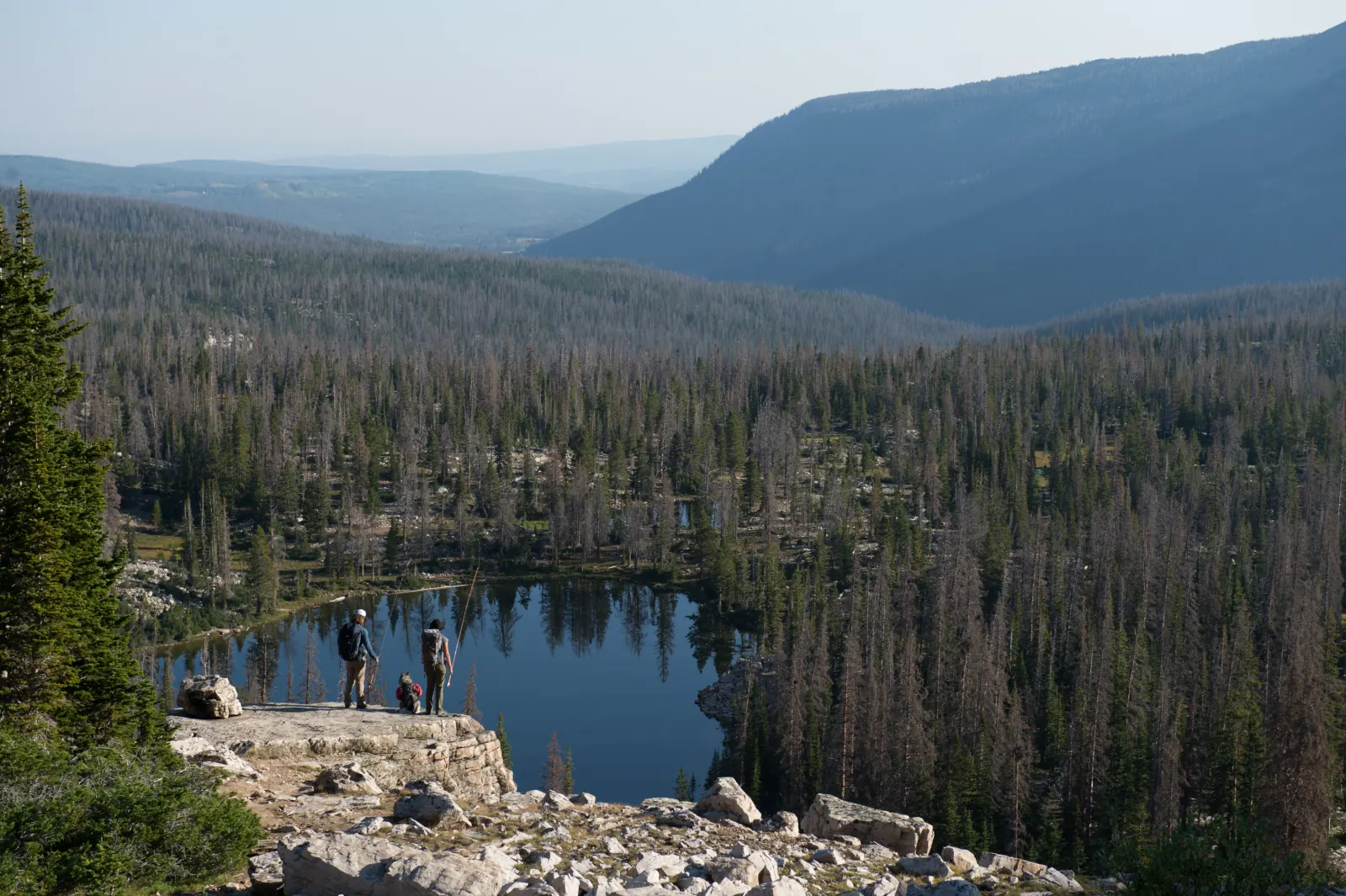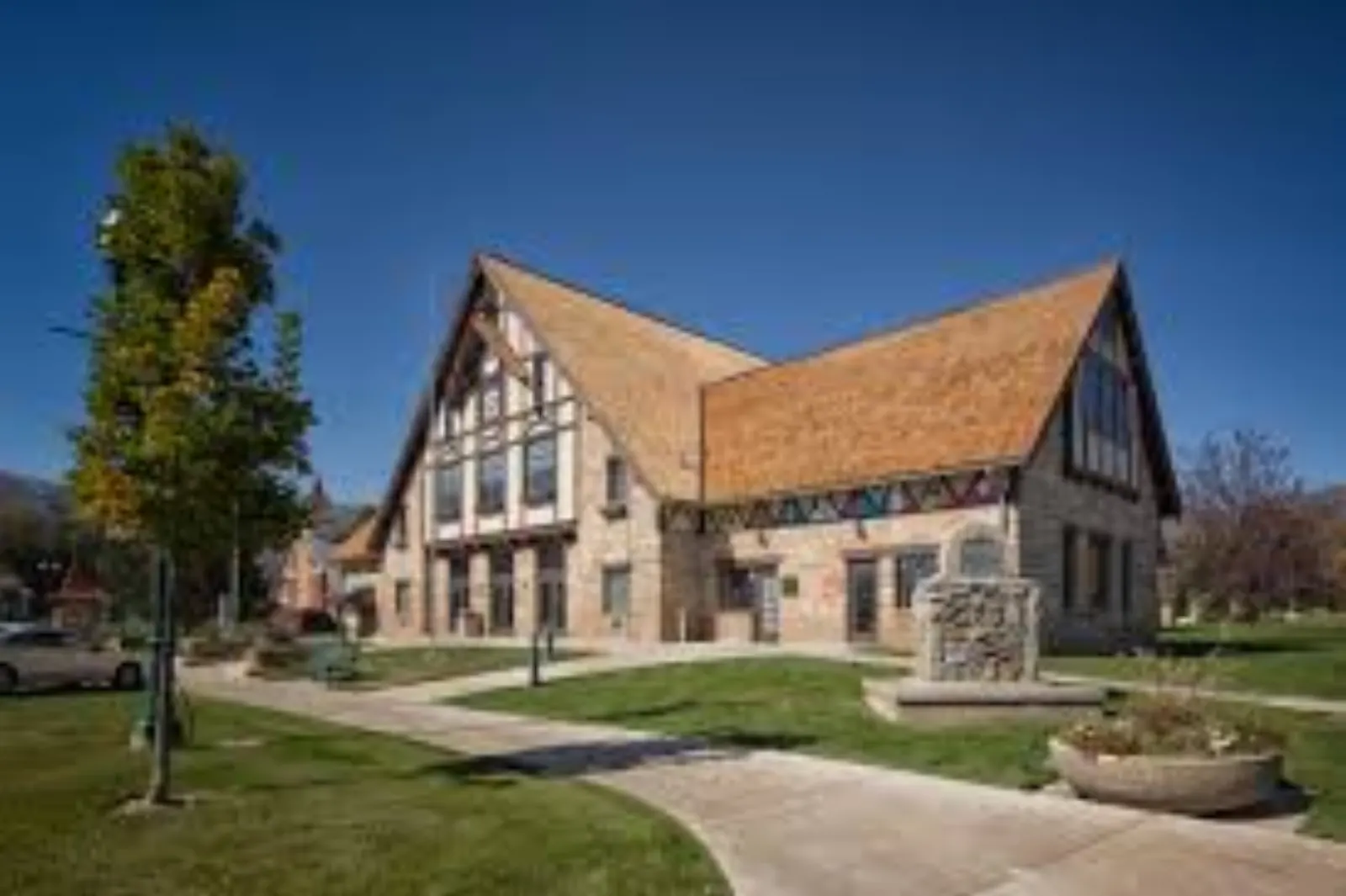
Hideout is a small incorporated town at the north end of Jordanelle Reservoir along SR-248, and it has approved more new commercial and mixed-use development in the past few years than almost anywhere else on the Wasatch Back. That growth means a 1031 exchange file here often involves newer-construction assets with limited operating history rather than a stabilized, long-held building.
A Development Pipeline Still Filling In
Hideout's commercial base is concentrated in recently approved mixed-use parcels near the Jordanelle Reservoir shoreline and along SR-248, much of it built to serve the town's fast-growing residential population and the broader Park City workforce that has moved east for housing. Because so much of this inventory is new, rent rolls are often thin, occupancy may still be stabilizing, and HOA or commercial-association documents can be recently drafted rather than tested over multiple years. A sale-side review should confirm actual trailing income rather than pro forma projections before that figure is used to size the replacement search. The town's shoreline position on Jordanelle also means some parcels carry reservoir-access or setback conditions tied to state or county water-management rules, and those conditions should be confirmed early since they can affect both use and value. A title search that surfaces one of these conditions late in the process can push a closing date past the 180-day exchange deadline, so it should be requested as soon as a Hideout candidate is added to the identification list.
Scope of the Underwriting Package for New Construction
An identification package assembled for a Hideout property, whether on the sale or purchase side, should treat new-construction underwriting as its own line of work rather than folding it into a standard commercial review.
- Certificate of occupancy and construction completion documentation
- Actual trailing rent roll versus pro forma projections
- HOA or commercial-association governing documents, if newly formed
- Lender preflight specific to new-construction or recently stabilized debt
- Title report confirming any remaining developer obligations or easements
Each item should be confirmed with the lender and title company early, since new-construction financing can carry conditions, such as a seasoning period on rental history, that take longer to clear than a loan on an established building.
Comparing Hideout Candidates Against More Established Submarkets
Because Hideout's growth is recent, a bid-package comparison for an investor identifying replacement property here often runs alongside more established candidates in Heber City or Kamas, where operating history is easier to underwrite. That doesn't rule out a Hideout property as a replacement; it simply means the market-comparable analysis needs to account for lease-up risk and construction-completion timing rather than treating the asset as fully stabilized. A candidate closer to Deer Valley East or the broader Mayflower expansion carries a similar profile and should be reviewed on the same construction-completion basis rather than assumed to be further along simply because it sits nearer the resort core.
45-Day Timing on a Fast-Moving Development
Hideout's rapid growth means pricing and availability can shift quickly between when a candidate is identified and when the identification notice is filed, so the 45-day window should be used to lock in a signed purchase contract rather than a verbal understanding with a developer or seller. The 180-day exchange period gives more room, but a lender underwriting new-construction debt may need that full window, particularly if a seasoning period on rental income applies.
Advisor Review Given the Construction Timeline
Before the identification notice is filed on a Hideout candidate, the qualified intermediary and the investor's tax advisor should confirm that the property's completion status and title are clean enough to close inside the 180-day period, and the lender should confirm financing terms account for the property's limited operating history. Investors should not assume a newly built asset will underwrite on the same timeline as an established one, and should build that difference into the closing calendar from the start. That review should also note which local approvals, road, utility, or shoreline conditions among them, remain outstanding on the candidate property, since an unresolved condition can delay the certificate of occupancy the lender is waiting on.
Common 1031 Exchange Questions
Can a newly built Hideout property serve as replacement property in a 1031 exchange?
Yes, new construction can qualify as like-kind replacement property, though the investor's tax advisor and lender should confirm the completion status and financing terms are workable inside the exchange timeline.
Why does rental history matter for a property that's less than a year old?
Some lenders require a seasoning period of stabilized rental income before finalizing financing terms, which can affect how quickly a Hideout replacement purchase closes inside the 180-day window.
What if the HOA or commercial association documents for a Hideout property are new?
Newly formed governing documents should be reviewed carefully, since reserve funding and long-term maintenance obligations may not yet be tested the way they would be in an older, established association.
Is it risky to rely on pro forma income for a Hideout identification candidate?
Pro forma projections can overstate near-term income, so the identification package should rely on actual trailing rent roll wherever possible before that figure is used to size the exchange.
Should I compare a Hideout property against more established submarkets before identifying it?
Comparing it against candidates in Heber City or Kamas can help confirm whether the construction and lease-up timeline fits the investor's 180-day closing window, and that comparison should be documented in the market-comparable analysis.